|
Scroll through the list and select an item then click the "Go!" button! |

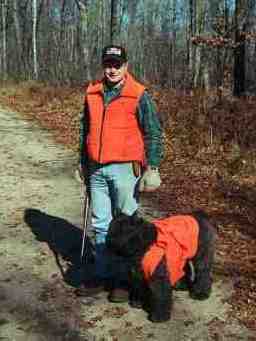
CH Joy-A-Len's Sir Patrick CGC


CH Joy-A-Len's Sir Patrick
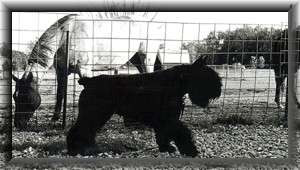
"Joy-A-Len Puppy Gets Started Early at
Herding"
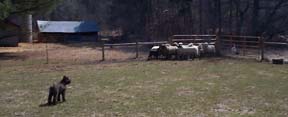
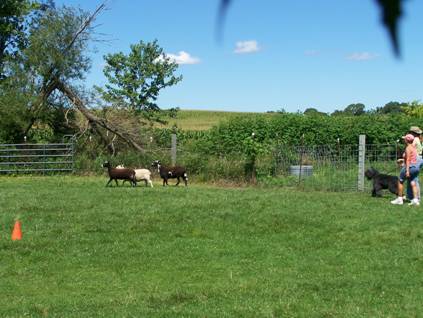
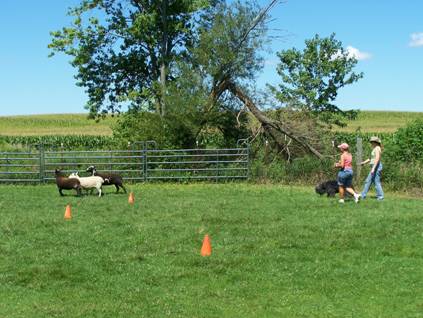
"Fan" at 4 months old.
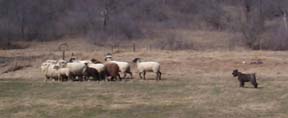
"Fan" at 5 months old.
"Fan" is from Darla & Willem's December 2000 litter.
She was shipped to Wisconsin and is owned by Sunny DeYoung from
Briarlea Kennels.
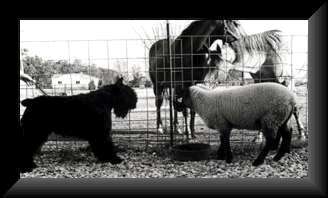
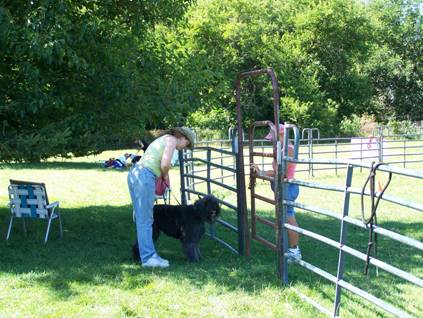
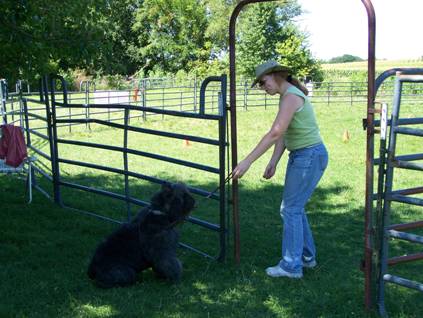
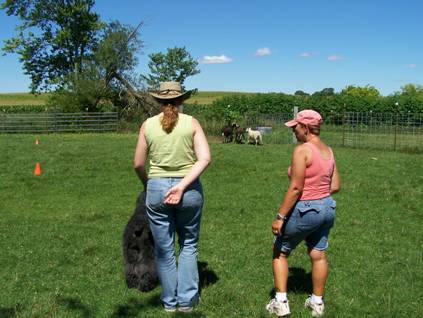
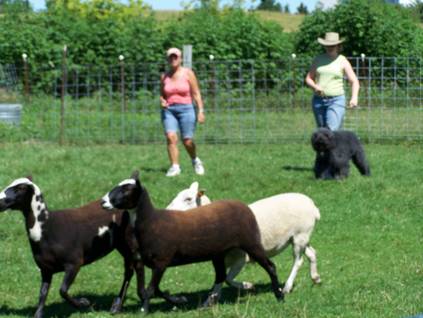
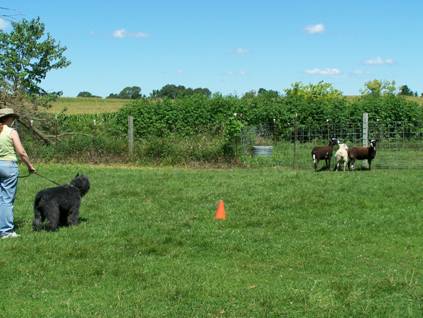
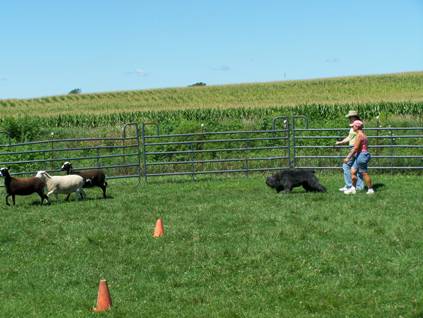
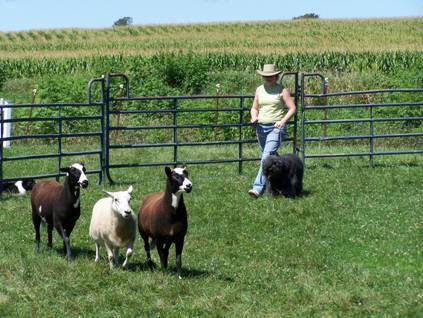
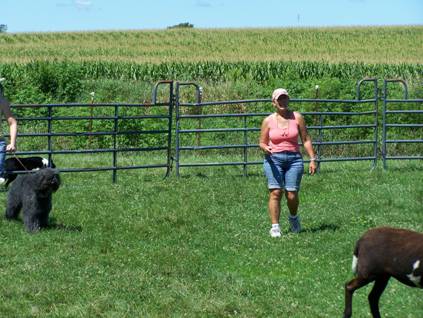
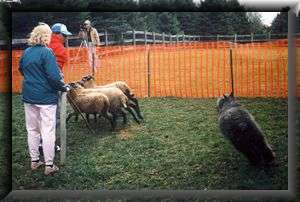
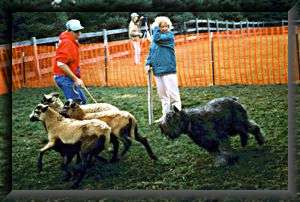
Herding Trials


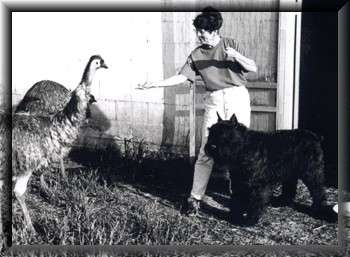
Joy-A-Len's Mistletoe
Placed 1st in her class.
Cruiser and Goldie attended a Carting Seminar at Echo Club - June 4th, 2005
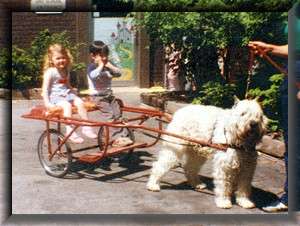
Am Can CH Joy-A-Len's Vicount Vincent TT
HIC
at nursery school giving children
rides.
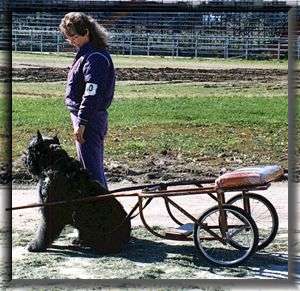
Am Can CH Maijeuine's Roguish Rascal TT HIC
was also in carting at the North American
Bouvier Des Flanders Working Dog Association
(NAWBA) Event in 1986.
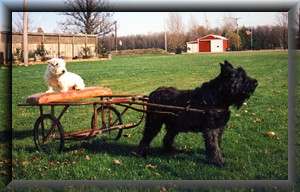
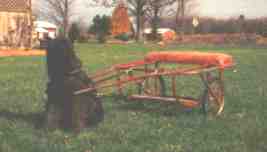
CH Joy-A-Len's Enough Is Enough Am Can
CD
alias "Holly"
taking her Sealyham friend "Tigger" for a ride
in the dog cart.
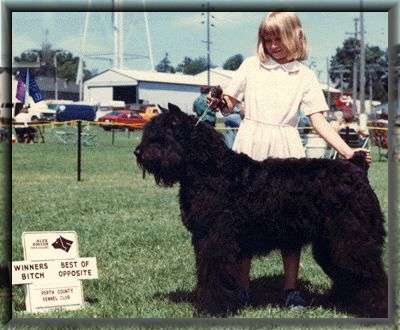
The American Kennel Club had created a title called Temperament Testing.
Many of our dogs earned this title, including Am Cdn CH. Joy-A-Len's Saucie Sally T.T.

T.T. is added to the end of a dog's name to show that the dog passed a series of tests and was considered sound and trustworthy with strangers. Some of the tests included an umbrella being opened by a stranger as the dog walked by; walking the dog through a crowd of people; or someone pushing a shopping cart out from behind a car. These 'tests' were to determine if the dog would react with curiosity or fear.Joy-A-Len Bouviers also participated in the Dutch Temperament Tests at 1986 Working Trial. It was comprised of much of the same tests as the American Kennel Club version of the test but included protection.

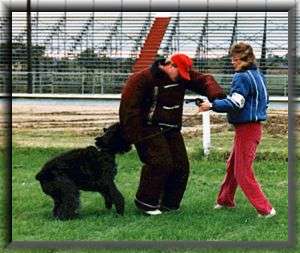
In this photo, an attacker comes out and grabs Judith, while Rascal demonstrates his guard abilities. Later in the test, the same man walks by and the dog should not lunge at the man. It shows the dogs ability to only "protect" when given just cause.In the late 1980's the AKC made some revisions and implemented standards to temperament testing. In 1989, the AKC created the Canine Good Citizen (CGC) Program. The program stresses responsible pet ownership for owners and basic good manners for dogs. All dogs who pass the CGC test receive a certificate from the American Kennel Club and title of CGC is placed after the dog's name. There are many Joy-A-Len Bouviers who have earned their title of Canine Good Citizen. (Learn more at AKC CGC page.)
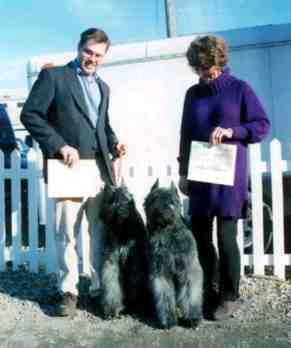
Tim & Nick and Willem & Judith work to
earn their CGC titles.
The Canine Good Citizen title is to ensure that "Man's Best Friend", can be a respected member of the community. To receive the CGC certificate, dogs must pass ten simple everyday activities.
- Accepting a friendly stranger - to demonstrate that the dog will allow a friendly stranger to approach it and speak to the handler in a natural, everyday situation. The dog must show no sign of resentment or shyness, and must sit quietly beside their handler.
- Sitting politely for petting - to demonstrate that the dog will allow a friendly stranger to touch it while it is out with its handler. The dog may sit or stand in place as it is petted. The dog must not show shyness or resentment.
- Appearance and grooming - to demonstrate that the dog will welcome being groomed and examined and will permit someone, such as a veterinarian, groomer or friend of the owner, to do so. It also demonstrates the owner's care, concern and sense of responsibility. The dog must appear to be in healthy condition (i.e., proper weight, clean, healthy and alert).
- Out for a walk (walking on a loose lead) - to demonstrate that the handler is in control of the dog, basic heeling. The dog's position should leave no doubt that the dog is attentive to the handler and is responding to the handler's movements and changes of direction.
- Walking through a crowd - to demonstrate that the dog can move about politely in pedestrian traffic and is under control in public places. The dog may show some interest in the strangers but should continue to walk with the handler, without evidence of over-exuberance, shyness or resentment. The dog should not jump on people in the crowd or strain on the leash.
- Sit / Down / Stay - to demonstrate that the dog has training, will respond to the handler's commands of sit and down and will remain in the place when told to do so by the handler.
- Coming when called - to demonstrate that the dog will come when called by the handler.
- Reaction to another dog - to demonstrate that the dog can behave politely around other dogs.
- Reaction to distraction - to demonstrate that the dog is confident at all times when faced with common distracting situations. Examples of distractions include dropping a chair, rolling a crate dolly past the dog, having a jogger run in front of the dog, or dropping a crutch or cane. The dog may express natural interest and curiosity and/or may appear slightly startled but should not panic, try to run away, show aggressiveness, or bark.
- Supervised separation - to demonstrate that a dog can be left with a trusted person, if necessary, and will maintain training and good manners. The owner will go out of sight for three minutes. The dog does not have to stay in position but should not continually bark, whine, or pace unnecessarily, or show anything stronger than mild agitation or nervousness.
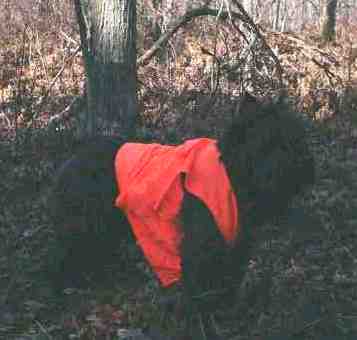
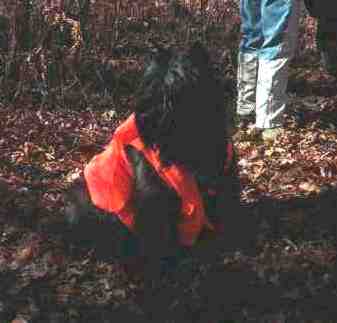
Scott and Pandora enjoyed partridge hunting in October 2000.

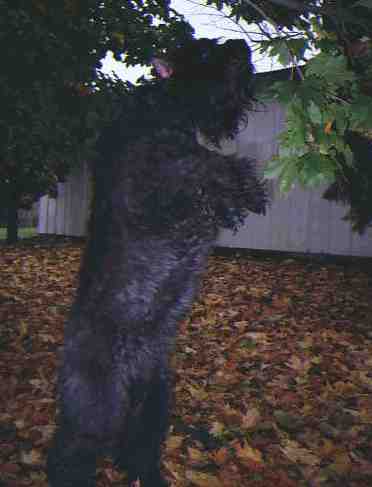
But Pandora seemed more interested in looking for
squirrels
than hunting.


" I know there is a squirrel up there somewhere...
"